Start with the free changes
Before buying a single rail, walk the house and remove what is already in the way: loose rugs, trailing cables, low furniture on walking routes, and anything stored above shoulder height that is used daily.
In my experience this alone removes more risk than the first fifty dollars of equipment.
The bathroom
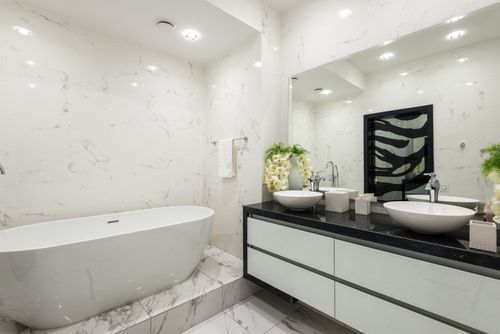
This is where the majority of serious falls happen, because it combines wet surfaces with movements that require balance and both hands.
A suction-backed anti-slip mat is the cheapest meaningful change. A fixed grab rail beside the toilet and inside the shower is the next, and a raised toilet seat after that if standing up has become difficult.
Fit rails into a stud or use proper fixings for tile. A rail that pulls out of the wall under load is more dangerous than no rail, because it is trusted.
The bedroom
Night-time trips to the bathroom account for a large share of falls. Motion-activated floor lighting along the route is the single highest-value change here.
Check the bed height as described in our mornings guide, and keep a clear path from the bed to the door with nothing to navigate around in the dark.
Stairs and thresholds
Both handrails should be secure and run the full length of the flight, including the last step. High-contrast tape on the leading edge of each step helps considerably where eyesight has declined.
Raised thresholds between rooms are easy to miss and easy to catch a toe on. Where they cannot be removed, mark them.
What this does not cover
Home modification reduces environmental risk. It does not address dizziness on standing, medication side effects, or declining strength, all of which are clinical questions.
If falls are already happening, arrange an assessment as well as adjusting the house.
This guide is general information about product selection and everyday care. It is not medical advice and does not replace consultation with a qualified clinician. Speak to a doctor before starting, stopping or changing any treatment.